
Type 2 diabetes may be reversed or put into remission through sustained lifestyle changes and proper medical support, though "reversal" means different things depending on your starting point.
The honest answer is "sometimes, but only if we define reversed carefully." This guide explains what doctors mean by remission, who has a realistic chance, which routes have trial evidence, why it can come back, and what you should keep testing even when your sugars look normal.
Can type 2 diabetes be reversed? The short answer
Type 2 diabetes cannot be cured, but it can go into remission. An international panel from the American Diabetes Association, Endocrine Society, EASD and Diabetes UK defines remission as an HbA1c below 6.5% measured at least three months after stopping all glucose-lowering medicines. Remission means the disease is quiet, not gone. The underlying tendency remains, and blood sugar can rise again.
| Term | What it means | Medically accurate? |
|---|---|---|
| Cure | Disease permanently gone | No, not for type 2 diabetes |
| Remission | HbA1c below 6.5% for 3+ months off medicines | Yes, the standard term |
| "Reversal" | Everyday word for remission | Acceptable if explained |
| Good control | Normal sugars while still on medicines | Valuable, but not remission |
What happens inside the body during remission
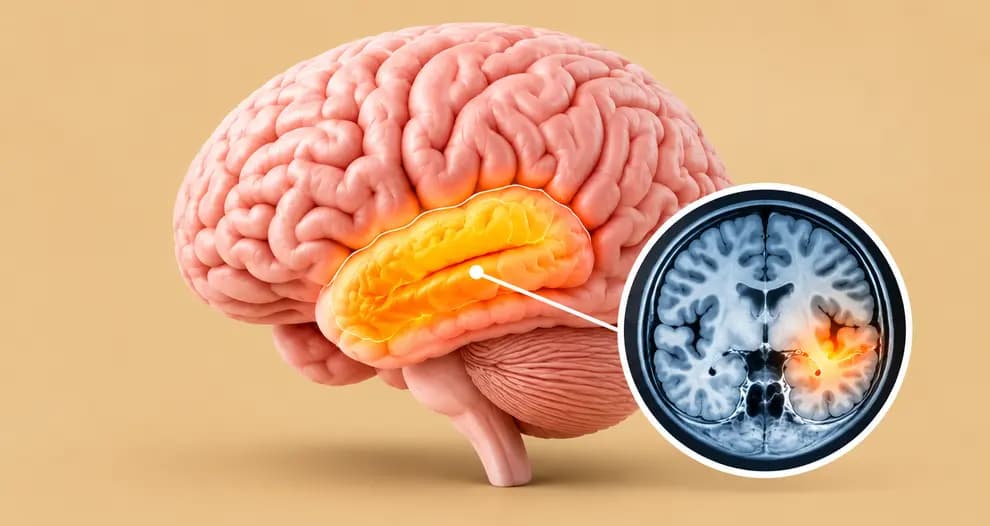
Type 2 diabetes is a two-part problem: cells resist insulin, and the pancreatic beta cells that make insulin become overworked. Research from Newcastle University links this to excess fat in the liver and pancreas, which blunts insulin release.
When weight loss drains that fat, beta cells in some people recover and glucose settles without drugs. That is why remission follows weight loss rather than any single "diabetic superfood". It is also time-sensitive. Beta cells that have been stressed for many years may not bounce back.
The strongest evidence comes from the DiRECT trial. In people diagnosed within the previous six years, 46% were in remission at one year and 36% at two years. The five-year extension was more sobering: of those in remission at year 2, 26% were still in remission at year 5, and only 13% of the 85 people followed in the extension were in remission. In the original 2018 trial, losing more than 15 kg gave remission rates above 80%. Remission is real, and keeping the weight off is what keeps it.
Who is most likely to achieve remission?
Odds depend on biology and timing more than willpower.
| Factor | Better odds | Lower odds |
|---|---|---|
| Time since diagnosis | Under 5 to 6 years | 10+ years |
| Weight lost and kept | 10 to 15 kg or more | Under 5 kg |
| Beta-cell reserve | Preserved C-peptide, good response to treatment | Low insulin reserve |
| Treatment history | Diet or tablets only | Long-term insulin dependence |
| Age | Younger | Older |
| True diagnosis | Genuine type 2 | Misclassified LADA or MODY |
If your diabetes is long-standing, remission may be unrealistic. Better control, fewer medicines and fewer complications are still worthwhile goals.
Four evidence-backed routes to remission
1. Structured low-calorie diet
DiRECT used a supervised programme: a few months of total diet replacement, then careful food reintroduction and long-term support. It needs medical supervision, because medicines must be reduced as sugars fall.
2. Sustained lifestyle change
Smaller, steady weight loss through diet quality, portion control, strength training and daily walking works more slowly. Remission is less likely than with intensive programmes, but it improves control for almost everyone and is the foundation for every other route.
3. Weight-loss medicines
Newer weight-loss medicines can produce large weight loss, which is what makes remission possible. Glucose often rises again if medicines stop and weight returns, so doctors treat them as a tool inside a plan rather than a reversal in a bottle.
4. Metabolic (bariatric) surgery
Randomised trials show surgery produces higher remission rates than medical treatment alone, and metabolic surgery is considered at lower BMI thresholds for people of Asian descent. It carries surgical risks and lifelong nutritional follow-up, so it suits selected patients after specialist review.
| Route | Who it suits | Watch-outs |
|---|---|---|
| Structured low-calorie diet | Recent diagnosis, BMI above 27, not on long-term insulin | Needs supervision, medicine adjustment, dietitian |
| Lifestyle change | Everyone | Slower, needs consistency |
| Medicines | Obesity with poor control | Cost, side effects, regain if stopped |
| Metabolic surgery | Significant obesity with diabetes | Surgical risk, vitamin follow-up |
Remission is not permanent: relapse and the monitoring calendar
If weight returns, so can diabetes. Consensus guidance recommends confirming remission with HbA1c at least three months after stopping medicines, then testing at least annually. Complication screening should continue as well, since years of past high sugar can leave lasting effects.
| When | What to check | Why |
|---|---|---|
| 3 months after stopping medicines | HbA1c | Confirms remission |
| Every 3 months in year 1 | HbA1c, weight, waist | Catches early drift |
| Every 6 to 12 months after | HbA1c | Long-term surveillance |
| Yearly | Eye exam, urine albumin and eGFR, foot exam, lipids, blood pressure | Complications can appear even in remission |
If your reports show kidney changes, see our diabetic nephropathy guide.


Safety: who should not try this alone
-
Anyone on insulin or sulfonylureas, because very low-calorie diets can cause dangerous low sugar without dose changes.
-
People with kidney, heart or liver disease, or on blood-pressure medicines that need adjusting.
-
Pregnant or breastfeeding women, and people with type 1 diabetes.
-
Anyone with a history of eating disorders.
-
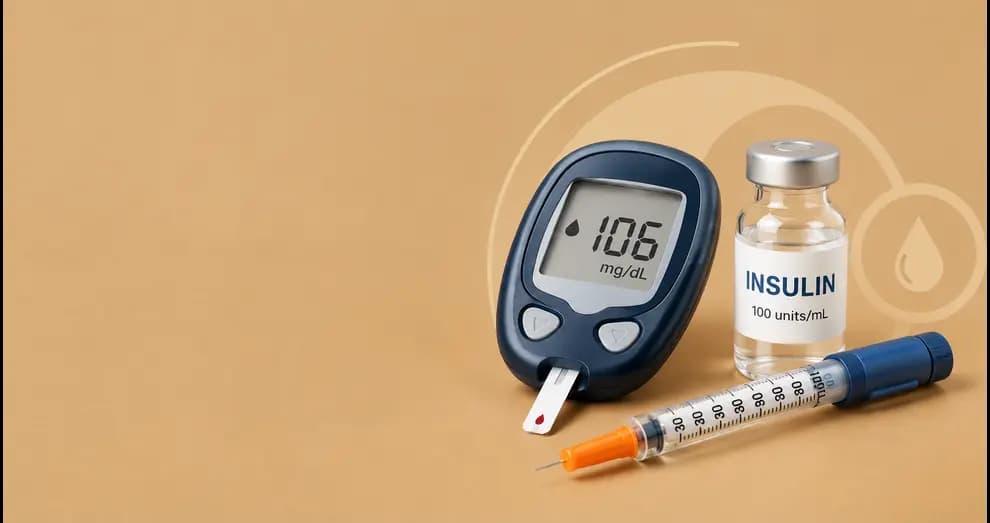
Never stop medicines yourself. If you are on insulin, see our insulin therapy guide and speak to your endocrinologist first.
Myths about reversing diabetes
-
"Karela or methi juice cures diabetes." No trial shows it produces remission.
-
"Detox teas and herbal 'reversal' packs work." Treat any product promising a cure as a red flag.
-
"Normal sugar means I can stop everything." Only a doctor-led test after stopping medicines confirms remission.
-
"Thin people can't have fat-driven diabetes." Fat in the liver and around organs matters, not just BMI.
Why Meitra Hospital for diabetes remission care in Kozhikode
Meitra Hospital approaches diabetes remission by assessing each patient’s health, identifying suitable treatment options and coordinating care across relevant specialties. Two factors are particularly important when considering remission care.
A remission assessment, not a diet sheet
A proper evaluation looks at how long you have had diabetes, your HbA1c trend, insulin reserve (C-peptide), liver fat, lipids, and kidney and eye status, then decides which route is realistic.
Specialists on one campus
Meitra's Centre for Endocrinology and Metabolic Disease, led by Dr. Naseer Ali and Dr. Altaf Ali Naushad, works with dietetics, the Centre for Heart & Vascular Care, the Centre for Renal Health & Intervention and ophthalmology, so the yearly complication checks above don't mean five hospitals.
Hospital-grade infrastructure and quality benchmarks
Meitra describes itself as a quaternary-care hospital of international standards, spanning 450,000 sq ft with 220 patient rooms, 8 operation theatres and 52 ICU beds, and holds NABH and Green OT accreditation.
Affordable and clear for outstation and international patients
Patients from Kerala, the Gulf and abroad can start with a records review or teleconsultation before travelling, so the first in-person visit is focused. Transparent costs up front let you plan the whole remission pathway, not just one visit.
Ready to find out if remission is realistic for you? Chat with our medical assistant to book an endocrinology consultation at Meitra.
Conclusion
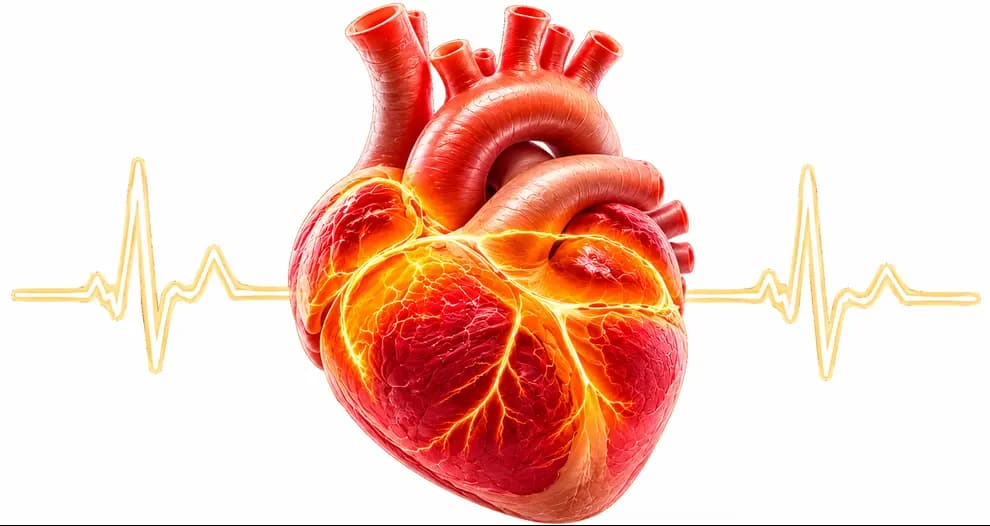
Type 2 diabetes can't be cured, but remission is a genuine, measurable outcome for many people, especially those diagnosed recently who lose and keep significant weight. The numbers cut both ways: 46% in remission at one year, but only 26% of those still in remission at year five.
If you've been told your diabetes is permanent or unchangeable, that's outdated advice. Modern evidence and personalized care pathways show that reversal is within reach. The first step is a candid conversation with an endocrinology specialist who can assess your individual situation, set realistic targets, and build a plan you can actually follow.
Don't wait for complications to develop; take action now. Contact our endocrinology team in Kozhikode to schedule a consultation and begin your journey toward remission.If your diabetes is long-standing, remission may be unrealistic. Better control, fewer medicines and fewer complications are still worthwhile goals.
Book a diabetes remission consultation at Meitra today!.
Medical disclaimer: This article is for general education and does not replace advice from a qualified doctor. Do not start, stop or change any medicine or diet based on this content. Consult your endocrinologist or physician for guidance specific to your health.