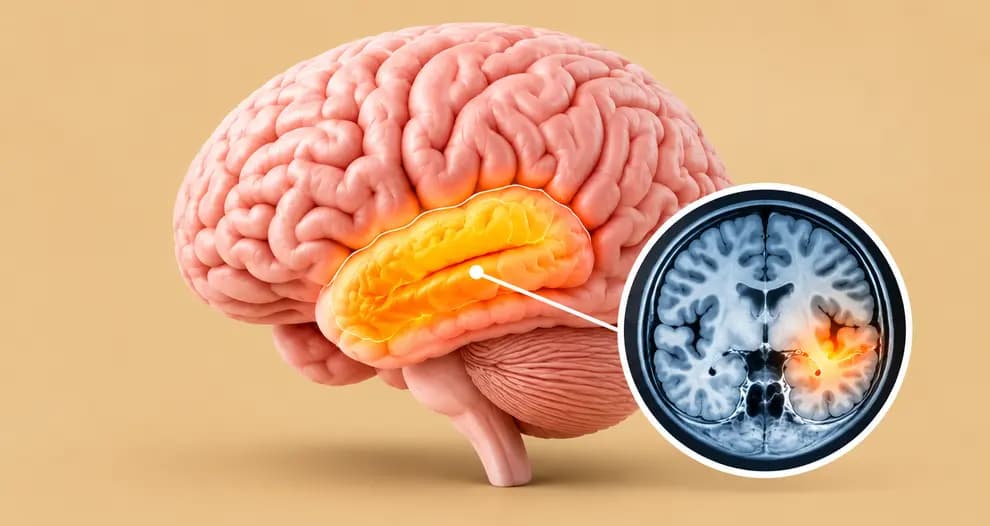

"You need insulin" can sound like a verdict. Clinically, it is a tool, and for many people it is the one that finally brings blood sugar back into range. Yet many people with diabetes delay starting it for years out of fear, and that delay is not harmless.
Insulin therapy is the use of injected or pumped insulin to replace or supplement what the pancreas cannot supply, so that blood glucose stays within a safe target range. If your pancreas cannot produce enough insulin, the hormone that helps your body use glucose for energy, insulin injections can help you maintain healthy blood sugar levels and prevent serious complications.
This guide explains insulin types, administration methods, and practical management strategies to help you take control of your diabetes care.
What Is Insulin Therapy and How Does It Work
Insulin therapy replaces or supplements the insulin your body cannot make on its own, allowing glucose from food to enter your cells for energy. When you eat, your digestive system breaks carbohydrates into glucose, which enters your bloodstream. Normally, your pancreas releases insulin to help cells absorb this glucose; without enough insulin, glucose accumulates in your blood, causing high blood sugar (hyperglycemia). Insulin therapy works by mimicking this natural process, keeping your blood sugar in a healthy range and reducing your risk of long-term complications like nerve damage, kidney disease, and heart disease.
Your doctor will prescribe insulin based on your type of diabetes, how much insulin your body can still produce, your daily routine, diet, and activity level. Most people using insulin also need to monitor their blood sugar several times daily and adjust their insulin doses accordingly. Starting insulin therapy may feel overwhelming, but with proper education and support, millions of people manage it successfully every day.
Insulin therapy in type 1, type 2 and gestational diabetes
| Type | Why insulin is needed | How common | Usually permanent? |
|---|---|---|---|
| Type 1 | The body makes little or no insulin | Insulin is required in every case | Yes, lifelong |
| Type 2 | Insulin resistance plus declining beta-cell output | Added when other medicines no longer reach the target | Sometimes temporary; reviewed regularly |
| Gestational | Hormones of pregnancy raise insulin needs | Used when diet and activity are not enough | Usually stops after delivery, with follow-up testing |
One more group deserves a mention. Some adults diagnosed with type 2 diabetes actually have LADA (latent autoimmune diabetes in adults), sometimes called "type 1.5". Their beta cells fail faster than expected, which is why oral tablets stop working early and insulin comes sooner.
Also Read: Preventive Health Care for Diabetes: Prevention and Screening Guide
Who Needs Insulin Therapy? 5 Clinical Signals
1. Type 1 diabetes. Insulin is essential, because beta-cell function is absent or nearly absent. 2. Type 2 diabetes above target on other medicines. Current American Diabetes Association (ADA) guidance often favours a GLP-1 receptor agonist before insulin. If A1C still stays above goal, insulin is added, even if only for a period. 3. Very high or symptomatic blood sugar. Marked thirst, frequent urination or ongoing unexplained weight loss can mean the body is running short of insulin. 4. Hospital stays and drug-induced high sugar. Serious illness, surgery, steroids and some cancer immunotherapies can push glucose up sharply and may need insulin straight away. 5. Pregnancy. When diet and exercise do not keep glucose in range, insulin is the usual treatment, since it does not cross the placenta in meaningful amounts.
"Insulin is not a punishment"
Type 2 diabetes is progressive. Beta-cell output tends to decline over the years, whatever a person eats or how carefully they take tablets. Needing insulin reflects that biology, not personal failure. Starting early also protects you. Years of high sugar quietly damage eyes, nerves, feet, heart and kidneys, so a timely start is often the more protective choice.
Types of Insulin: Onset, Peak and Duration Compared
Insulins are grouped by how fast they begin working (onset), when they work hardest (peak) and how long they last (duration). The figures below are typical ranges. Exact timings vary by brand and by person, so always follow your prescriber and the product leaflet.
| Type | Onset | Peak | Duration | Typical use |
|---|---|---|---|---|
| Rapid-acting (e.g. lispro, aspart, glulisine) | 10-20 min | 1-3 hours | 3-5 hours | Mealtime dose and corrections |
| Short-acting (regular) | 30-60 min | 2-4 hours | 5-8 hours | Mealtime dose, taken before eating |
| Intermediate (NPH) | 1-2 hours | 4-12 hours | 12-18 hours | Background cover, often twice daily |
| Long-acting (e.g. glargine, detemir) | 1-4 hours | Minimal or none Up to 24 hours | Once-daily background cover | |
| Ultra-long-acting (e.g. degludec) | 1-4 hours | Minimal or none Longer than 24 hours | Flexible once-daily background cover | |
| Premixed | Depends on components | Two peaks | 12-24 hours | Fixed twice-daily regimens |
| Inhaled | Within minutes | About 1 hour | 2-3 hours | Mealtime dose in selected adults |
Insulins also differ by origin. Animal-derived insulin is now rarely used, human insulin (regular and NPH) is widely available and affordable, and analogues are modified molecules designed for faster or steadier action.
Insulin Regimens: Basal, Basal-Plus, Basal-Bolus, Premixed and Pumps
A regimen is the schedule that combines these insulins. The right one depends on your type of diabetes, meal pattern, work routine and how much flexibility you need.
| Regimen | Injections/day | Meal flexibility | Hypoglycaemia risk | Best suited to |
|---|---|---|---|---|
| Basal only | 1 | Low need | Lower | Early insulin start in type 2 |
| Basal-plus | 2-3 | Moderate | Moderate | Stepping up before full basal-bolus |
| Basal-bolus | 4 or more | High | Higher, but adjustable | Type 1 and advanced type 2 |
| Premixed | 2-3 | Low (fixed meals) | Moderate | Regular meal timings |
| Insulin pump | Continuous (no injections) | High | Variable | Selected adults and children; needs training |
Many people with type 2 diabetes begin with one background (basal) dose. If mealtime spikes persist, a single mealtime dose is added to the largest meal, which is the "basal-plus" step, before moving to full basal-bolus if needed.
The principle is simple: start low, adjust against fasting glucose readings, and reassess every 3-6 months. Never self-adjust your dose on the basis of advice from the internet, relatives or other patients. Dose changes should come from your care team.
How to Take Insulin Safely: Injection, Storage and Travel
Pen versus syringe, and rotating sites
Pens are easier to carry and dose accurately, while syringes remain a lower-cost option. Insulin goes into the fat layer under the skin, usually the abdomen, thigh, upper arm or buttock. Rotate within and between sites to avoid lumps (lipohypertrophy) that make absorption unpredictable. Never use insulin that has been frozen.
Storing insulin in Kerala's heat and monsoon humidity
Unopened insulin is generally kept in a refrigerator, never in the freezer. The vial or pen in use is usually kept at room temperature for a limited period set by the manufacturer, so check the leaflet. Heat is the real risk in Kerala: insulin left in a hot car, a sunny windowsill or a bag in direct sun can lose strength without looking any different. During power cuts, a closed refrigerator keeps its temperature for some hours, and an insulated pouch is a practical backup.
Flying to or from the Gulf
Carry insulin and supplies in your cabin bag, never in checked luggage, where the hold temperature can freeze it. Keep a doctor's letter listing your medicines and devices, carry spare pens and needles, and ask your care team how to stagger doses across time zones.


Low Blood Sugar on Insulin: Recognise, Treat, Prevent
Hypoglycaemia, or low blood sugar, is the most common serious side effect of insulin. Early signs include shakiness, sweating, hunger, a pounding heart, headache and sudden irritability. Learn them, and teach family members, before the first dose.
| Level | Definition | What to do |
|---|---|---|
| Level 1 (mild) | Glucose below 70 mg/dL and 54 mg/dL or above | Take 15 g of fast-acting carbohydrate, recheck in 15 minutes, repeat if still low |
| Level 2 (moderate) | Glucose below 54 mg/dL | Treat immediately as above; contact your care team the same day |
| Level 3 (severe) | Confusion or unconsciousness; needs another person's help | Do not give food or drink by mouth to an unconscious person; use glucagon if available and seek emergency help at once |
Fifteen grams of carbohydrate is roughly three glucose tablets or about half a glass of fruit juice. Skipped meals, unplanned exercise and alcohol are the common triggers. Other side effects include weight gain and lipohypertrophy at overused injection sites.
Newer Options: CGM, Pumps and Non-Insulin Add-Ons
Continuous glucose monitors (CGMs) and automated insulin delivery systems are changing daily management. The ADA 2026 Standards removed earlier requirements such as C-peptide testing, autoantibody status or a minimum duration of insulin use before considering pumps or automated insulin delivery.
GLP-1 receptor agonists, injectable or oral medicines that also support weight loss, are often tried before or alongside insulin in type 2 diabetes. Your endocrinologist will weigh these options against your heart, kidney and weight profile.
What Good Insulin Care Needs Beyond the Prescription
Too many patients leave the clinic with a pen and a leaflet. Safe insulin therapy needs more: hands-on injection teaching, glucose monitoring, dietitian input, screening of eyes, feet, heart and kidneys, and a review every 3-6 months. So what does a department built for this look like?
Insulin Therapy at Meitra Hospital, Kozhikode
Meitra's Department of Endocrinology and Metabolic Disease manages type 1 and type 2 diabetes through a team of endocrinologists, diabetologists and physicians. Nutrition programmes are coordinated with Clinical Nutrition and Dietetics.
Consultants include Dr. Naseer Ali (DM Endocrinology, AIIMS New Delhi), Dr. Altaf Ali Naushad (DM Endocrinology, M.S. Ramaiah) and Dr. Arjun Raja A.
Managing diabetes often requires more than medication alone. Patients may need support with blood sugar monitoring, insulin management, nutrition, regular investigations and screening for complications. Meitra Hospital brings together multiple medical specialties, helping patients access coordinated care based on their individual needs.
For patients travelling from other states, the Gulf or elsewhere, Meitra offers several practical advantages:
- Multispecialty care: Access to different medical specialties for diabetes management and related health concerns.
- Accredited healthcare: Meitra holds JCI, NABH and NABL accreditations. Language accessibility: The hospital website is available in English, Malayalam and Arabic.
- International patient support: Dedicated international patient services help overseas patients explore care arrangements.
- Cost planning: Patients can contact the hospital to enquire about consultation fees, investigations and treatment costs before planning their visit.
Planning diabetes care from another city or country? Keep your medical reports, current prescriptions, blood sugar readings and recent test results ready for your consultation.
These records can help your doctor understand your condition and plan the next steps, including medication adjustments, further tests and follow-up care.
Conclusion
Insulin is a tool, not a verdict. The right regimen depends on your diabetes type, your meals and your routine, and a safe start (with teaching, a low-sugar plan and regular reviews) matters more than the dose itself. If your doctor has mentioned insulin, ask questions early, and do not delay out of fear. For more on staying ahead of diabetes, read our guide on diabetes prevention and screening. If you would like specialist support, Meitra's endocrinology team is ready to help. Chat with Meitra's Medical Assistant on WhatsApp.
Medical disclaimer: This article is for general information and does not replace advice from a qualified doctor. Do not start, stop or change insulin or any other medicine without consulting your healthcare provider.