
If you or a loved one has been diagnosed with kidney disease, finding the right dialysis center is one of the most important healthcare decisions you'll make.
Kozhikode is home to several advanced dialysis facilities staffed with experienced nephrologists and support teams trained to help patients manage chronic kidney disease and prepare for long-term treatment.
This guide walks through what dialysis in Kozhikode actually looks like on the ground: the types of treatment on offer, what separates a well-run center from a risky one, realistic cost ranges, and where Meitra Hospital's dedicated nephrology unit fits into that picture.
About Dialysis and Kidney Disease
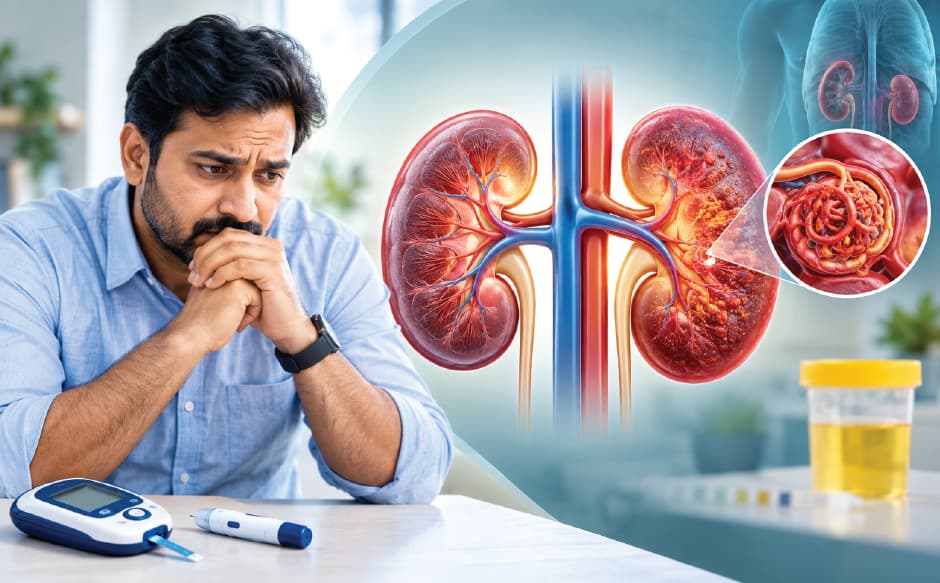
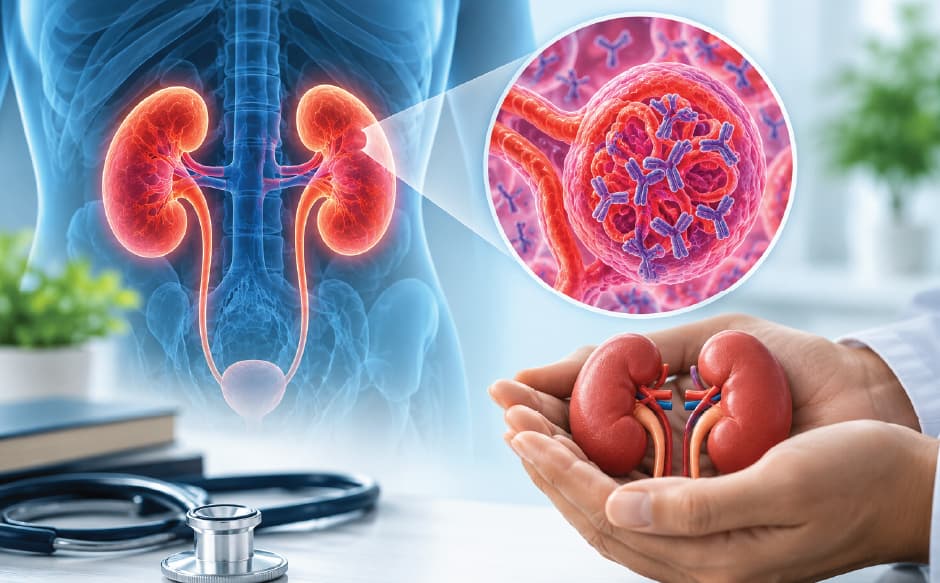
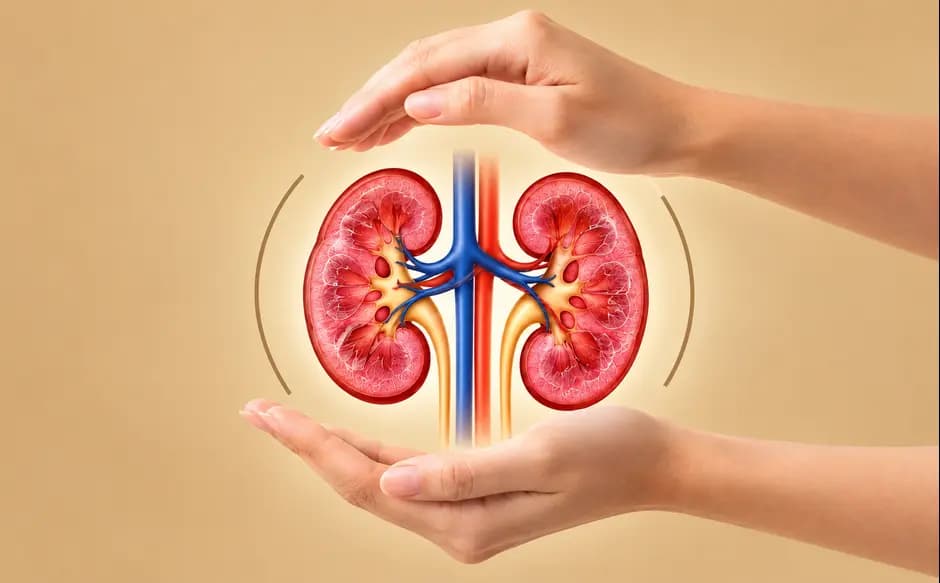
The kidneys are vital organs that filter waste and excess fluid from your blood to create urine. When kidneys stop working properly, due to diabetes, high blood pressure, chronic glomerulonephritis, or other causes, waste builds up in your body and can become dangerous.
Dialysis is a medical treatment that artificially performs some of the kidney's filtering functions, removing excess water and waste from your blood so it doesn't accumulate to toxic levels. According to The National Institute of Diabetes and Digestive and Kidney Diseases (NIDDK), millions of people worldwide depend on dialysis to stay alive.
The condition requiring dialysis is called end-stage renal disease (ESRD) or stage 5 chronic kidney disease. Dialysis does not cure kidney disease, but it extends and improves quality of life while patients explore options like kidney transplantation. Starting dialysis is a significant life change, and having access to a well-equipped, compassionate dialysis center makes the journey more manageable for patients and families.
Also read: Your Guide to Finding the Right Glomerulonephritis Treatment in Kerala
Why Kozhikode Has Become a Key Hub for Kidney Care in Malabar
Kozhikode sits at the geographic centre of the Malabar region, drawing patients not just from within the district but from Wayanad, Malappuram, Kannur, and even parts of neighbouring Tamil Nadu and Karnataka border towns.
The city's Government Medical College remains the anchor public facility, and around it a cluster of charitable, private, and hospital-based dialysis services has grown over the last two decades to meet demand that the public system alone cannot absorb.
Types of Dialysis Treatment Available
Not every patient needs the same kind of dialysis, and the "best" center for one person may be the wrong fit for another. Broadly, three modes are available across Kozhikode's centers:
1. Hemodialysis (In-Center)
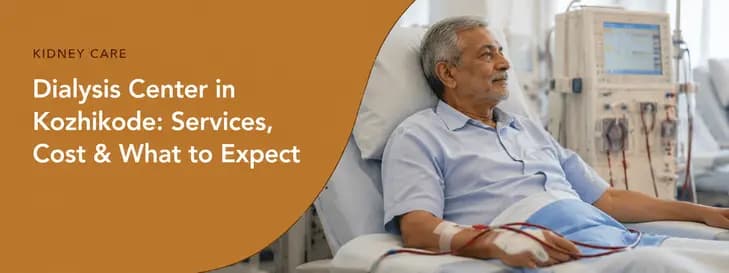
The most common form. Blood is drawn out through a vascular access point, filtered through a dialyzer machine, and returned to the body, typically over 3–4 hour sessions, three times a week. This is what most standalone dialysis centers and hospital units in Kozhikode primarily offer.
2. Peritoneal Dialysis (PD)
Uses the lining of the patient's own abdomen as a natural filter, with a special fluid exchanged through a catheter. PD can often be done at home after training, reducing the need for repeated hospital visits, useful for patients with mobility issues, diabetic patients needing gentler fluid control, or those living far from a center. Availability is more limited and is generally offered only at larger hospital-based nephrology units.
3. ICU & Emergency Dialysis (SLED)
Sustained Low-Efficiency Dialysis is used for critically ill patients, those in ICU with acute kidney injury, sepsis, or multi-organ complications, where standard hemodialysis would be too aggressive on an unstable patient. This requires ICU infrastructure and round-the-clock nephrology cover, which only full-service hospitals can provide.
| Dialysis Type | Typical Setting | Best Suited For | Frequency |
|---|---|---|---|
| Hemodialysis | Dialysis center / hospital | Most CKD stage 5 patients | 3x/week, 3–4 hrs |
| Peritoneal Dialysis | Home (after training) | Patients wanting flexibility, diabetics | Daily exchanges |
| SLED / ICU Dialysis | Hospital ICU only | Critically ill, unstable patients | As clinically required |
7 Factors to Check Before Choosing a Dialysis Center in Kozhikode
Dialysis is not a one-time procedure, it's a long-term relationship with a facility, often for years. A handful of practical checks can save you from complications down the line:
| What to Check | Why It Matters |
|---|---|
| Accreditation (NABH/NABL/JCI) | Signals audited infection control and quality protocols |
| Dialyzer reuse policy | Reused dialyzers, if not sterilised per protocol, raise infection risk |
| Nephrologist availability | A visiting consultant vs. an on-site nephrologist changes emergency response time |
| Water treatment system (RO plant) | Poor water quality is a leading cause of dialysis-related infections |
| Emergency backup (ICU, blood bank access) | Needed if a patient develops complications mid-session |
| Cost transparency | Ask for a written per-session and package cost breakdown upfront |
| Distance & shift timings | For a 3x/week commitment, travel time affects long-term adherence |


What Does Dialysis Cost in Kozhikode?
Costs vary by setting, and it's worth asking each center for a written breakdown before starting treatment. As a general reference:
| Center Type | Approx. Cost per Session | Notes |
|---|---|---|
| Charitable/free centers | Free or nominal | Subject to eligibility, limited slots |
| Standalone dialysis chains | INR 1,000–INR 2,000 | Basic hemodialysis, limited emergency backup |
| Hospital-based nephrology units | INR 1,500+ | Includes physician oversight, emergency access |
| ICU/SLED dialysis | Higher, case-dependent | Only available at full-service hospitals |
Most private health insurance policies and several TPAs cover dialysis under critical illness or ongoing-treatment riders, it's worth confirming pre-authorisation requirements with your insurer before your first session, since dialysis is typically billed per session rather than as a single claim.
Meitra Hospital's Nephro-Urosciences Centre for Dialysis & Kidney Care
Meitra Hospital's Centre of Excellence for Nephro-Urosciences & Kidney Transplantation provides comprehensive kidney care, combining nephrology, urology, dialysis, and transplant services under one team. This integrated approach enables seamless care for patients with both routine and complex kidney conditions.
Key services include:
- Hemodialysis for chronic kidney disease and kidney failure.
- ICU dialysis and Sustained Low-Efficiency Dialysis (SLED) for critically ill patients.
- Peritoneal dialysis and plasmapheresis for selected clinical conditions.
- Pre-dialysis CKD clinics focused on slowing disease progression and delaying the need for dialysis.
- Evaluation and treatment of conditions such as glomerulonephritis, polycystic kidney disease, and other complex renal disorders.
The department is led by experienced nephrologists and is supported by Meitra Hospital's JCI, NABH, and NABL-accredited infrastructure.
Patients also benefit from immediate access to intensive care, cardiology, and kidney transplant services when advanced or multidisciplinary care is required, ensuring continuity of treatment throughout every stage of kidney disease.
Why Patients Across India and Abroad Choose Meitra for Kidney Care
For patients with chronic kidney disease, continuity of care is just as important as access to dialysis. Meitra Hospital brings nephrology, dialysis, urology, kidney transplantation, intensive care, and advanced diagnostics together under one roof, allowing patients to stay with the same clinical team as their condition progresses.
Patients choose Meitra because of:
- Comprehensive kidney care, from CKD management and dialysis to transplant evaluation.
- JCI, NABH, and NABL-accredited facilities with 24/7 ICU and emergency support.
- Dedicated international patient services for patients from the Gulf and other countries, including travel and treatment coordination.
- Multidisciplinary specialists collaborating on complex kidney and urological conditions.
Connect with our medical assistance team today to discuss your treatment options, receive a personalized care plan, and schedule your consultation at Meitra Hospital.
Medical Disclaimer: This article is intended for general informational purposes only and does not constitute medical advice. Dialysis type, frequency, and treatment decisions should always be made in consultation with a qualified nephrologist based on individual clinical evaluation. Costs mentioned are indicative and subject to change; please confirm current pricing directly with the respective center.