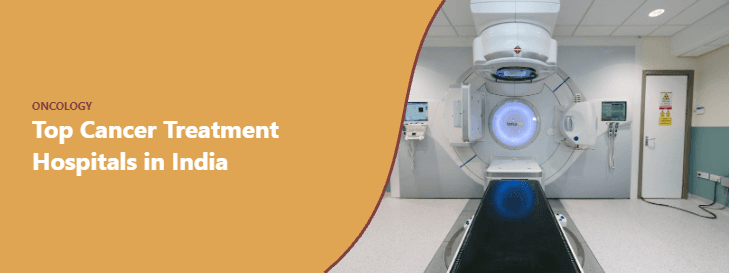

India has emerged as one of the world’s fastest-growing destinations for oncology and advanced medical care, with more than 5,07,244 international patients travelling to India for treatment in 2025 alone, according to government and industry estimates.
Patients from the Middle East, Africa, South Asia, and even Europe increasingly choose Indian cancer hospitals for their combination of experienced oncologists, advanced technology, shorter waiting times, and comparatively affordable treatment pathways.
For patients and families, choosing the right cancer hospital has therefore become a critical decision that directly affects diagnosis accuracy, treatment access, outcomes, and quality of life.
This guide evaluates India’s leading cancer hospitals through evidence-based factors such as accreditation, multidisciplinary oncology expertise, advanced treatment technology, and patient-care infrastructure, helping readers make informed and confident treatment decisions.
What to Look for When Choosing a Cancer Hospital in India?
Cancer treatment is rarely managed by a single doctor or a single procedure. From diagnosis and staging to surgery, chemotherapy, radiation, rehabilitation, and long-term follow-up, every stage of care can influence treatment outcomes and quality of life. That is why choosing the right cancer hospital is one of the most important decisions a patient and family can make.
Before selecting a hospital, here are the key factors patients should carefully evaluate:
1. Accreditation & Quality Standards
Accreditation helps patients assess whether a hospital follows recognised safety and quality protocols. NABH accreditation in India and JCI accreditation internationally are important indicators of standards related to infection control, emergency care, medication safety, and clinical governance. While accreditation does not guarantee outcomes, it reflects a structured approach to patient care and hospital operations.
2. Multidisciplinary Oncology Team
Cancer treatment today is rarely managed by a single specialist. Leading oncology hospitals use multidisciplinary tumour boards where medical oncologists, surgical oncologists, radiation oncologists, radiologists, pathologists, and palliative care experts jointly review patient cases. This collaborative approach helps create more personalised and clinically balanced treatment plans.
3. Advanced Treatment Technology
Modern oncology increasingly depends on precision-driven technology. Hospitals equipped with robotic surgery platforms, PET-CT imaging, TrueBeam LINAC radiation systems, immunotherapy programmes, targeted therapy, proton therapy, and bone marrow transplant facilities are often better prepared to manage both common and complex cancer cases with greater treatment accuracy.
4. Evidence-Based Clinical Protocols
The best cancer hospitals regularly update treatment pathways based on internationally accepted oncology guidelines and emerging clinical research. Evidence-based protocols help ensure consistency in diagnosis, staging, treatment planning, and follow-up care while reducing unnecessary variations in clinical decision-making.
5. Comprehensive Support Services
Cancer treatment affects patients physically, emotionally, and nutritionally over extended periods. Strong oncology centres therefore provide integrated support services such as psychological counselling, nutritional therapy, pain management, rehabilitation, and palliative care to improve overall patient well-being during and after treatment.
6. Transparent & Affordable Treatment Planning
Clear communication around treatment costs is essential, particularly for long-term cancer care that may involve multiple therapies and hospital visits. Patients should look for hospitals that provide transparent estimates, insurance support, package clarity, and financial counselling without hidden expenses or unclear billing structures.
7. International Patient Services
India has become a major destination for international oncology treatment, especially for patients from the Gulf, Africa, and South Asia. Hospitals with dedicated international patient departments can assist with medical visas, airport transfers, accommodation coordination, language support, and telemedicine follow-ups after patients return home.
Hospitals such as Meitra Hospital, for example, follow a Centre of Excellence (COE) model that integrates many of these services under a coordinated Cancer and Immunotherapy programme for domestic and international patients alike.
Meitra Hospital, based in Kozhikode (Calicut), Kerala, is one of India's most distinguished cancer treatment destinations. This guide explains precisely why, across accreditation, clinical depth, technology, patient experience, and international care infrastructure.
Moreover, a well-informed comparison of hospitals can help families move beyond advertisements and focus on factors that genuinely influence care quality and outcomes.
Meitra Hospital: An Overview
Meitra Hospital is a quaternary-care multi-specialty hospital in Kozhikode, Kerala, serving patients across North Kerala, Karnataka, Lakshadweep, and Gulf countries. The hospital is distinguished by its status as the first JCI-accredited hospital in the Malabar region and holds additional NABH, NABL, and Green OT certifications, a combination that places it among an elite group of hospitals in South India meeting all four major healthcare quality benchmarks simultaneously.
The hospital campus spans approximately 450,000 sq. ft, housing:
- 220 private patient rooms
- 52 ICU beds
- 8 advanced operation theatres
- Dedicated international patient services floor
- Specialised oncology diagnostics and imaging suites
Its oncology services operate under a dedicated Cancer & Immunotherapy Centre of Excellence (COE), a structured, multidisciplinary model that ensures every cancer case is reviewed collaboratively before treatment decisions are finalised.
Top 10 Reasons Why Meitra Is India's Top Cancer Hospital (2026)
India’s oncology ecosystem today includes both world-renowned government cancer institutes and highly advanced private multi-specialty hospitals.
Here are top reasons suggesting why Meitra hospital is a trusted cancer centres across India:
1. India's First JCI-Accredited Hospital in the Malabar Region
Accreditation is often the clearest indicator of whether a hospital operates to internationally recognised safety and quality standards. JCI (Joint Commission International) accreditation, the global benchmark for hospital quality, evaluates hospitals rigorously across patient safety protocols, clinical governance, infection control, medication safety, and emergency care standards.
Meitra holds JCI accreditation, making it the first hospital in the Malabar region to achieve this recognition. This means patients accessing cancer care at Meitra benefit from the same quality frameworks that international insurers, embassies, and healthcare organisations worldwide recognise and trust.
In addition to JCI, Meitra also holds:
- NABH accreditation: India's national standard for hospital safety and quality
- NABL accreditation: ensuring laboratory and diagnostic accuracy critical to oncology decision-making
- Green OT certification: reflecting infection-controlled, sustainable surgical theatre standards
2. Dedicated Cancer & Immunotherapy: Centre of Excellence
Meitra’s oncology services operate under a dedicated Centre of Excellence (COE) model that integrates medical oncology, surgical oncology, radiation oncology, and bone marrow transplant services within a coordinated multidisciplinary framework. Complex cancer cases are reviewed collaboratively across specialties before treatment plans are finalised.
3. Comprehensive and Advanced Treatment Capabilities
The hospital offers comprehensive cancer treatment services including chemotherapy, immunotherapy, targeted therapy, hormonal therapy, minimally invasive cancer surgery, and bone marrow transplant programmes. Advanced diagnostic support includes PET-CT imaging, molecular diagnostics, and specialised pathology services for accurate cancer staging and treatment planning.
4. Advanced Oncology Diagnostics and Molecular Profiling
Accurate diagnosis and precise cancer staging are the foundation of any effective treatment plan. Meitra's oncology programme is supported by a strong diagnostic infrastructure that ensures patients receive the most accurate assessment of their disease before treatment begins. Diagnostic capabilities include:
- PET-CT imaging: for whole-body cancer staging, treatment response monitoring, and recurrence detection
- Molecular diagnostics: enabling biomarker testing and genetic marker analysis that informs targeted therapy eligibility
- Specialised pathology services: including immunohistochemistry (IHC) and advanced biopsy analysis for precise cancer subtyping
- NABL-accredited laboratory: ensuring diagnostic results meet nationally and internationally recognised accuracy standards
5. Multidisciplinary Tumour Board: Personalised Planning for Every Patient
One of the most important, and most frequently overlooked, aspects of high-quality cancer care is how treatment decisions are made. At Meitra, every complex cancer case is reviewed by a multidisciplinary tumour board (MDT) before treatment plans are finalised.
The MDT brings together specialists across:
- Medical oncology
- Surgical oncology
- Radiation oncology
- Radiology
- Pathology
- Palliative care
6. Evidence-Based and Patient-First Clinical Philosophy
Meitra's oncology programme is guided by an explicit patient-first, evidence-based clinical philosophy. This means:
- Treatment decisions are driven by peer-reviewed oncology research and internationally accepted clinical guidelines, not commercial considerations or habit
- Treatment protocols are regularly reviewed and updated in line with evolving oncology evidence
- Patients receive transparent communication about their diagnosis, treatment options, expected outcomes, and costs, without clinical jargon or vague reassurances
- Financial counselling is integrated into the patient journey to ensure families can plan for the full scope of treatment without unexpected billing surprises
7. Rapid Remote Treatment Planning: 48-Hour MDT Roadmap
For patients outside Kozhikode, or for international patients planning travel from the Gulf or South Asia; Meitra offers a structured remote treatment planning service that begins before the first in-person visit.
How it works:
- Patients upload pathology slides, PET-CT scans, and relevant medical records to Meitra's secure patient portal
- The multidisciplinary oncology team reviews the case
- A comprehensive Treatment Roadmap is prepared and delivered within 48 hours.
8. Dedicated International Patient Services
Meitra hospital is one of the few hospitals in the Malabar region specifically designed to serve international patients with a full-service support infrastructure. For patients travelling from the Gulf, East Africa, or South Asia, where access to comparable oncology care may be limited, Meitra offers:
- Dedicated international patient floor with specialised amenities
- Visa assistance and documentation support
- Airport transfers on arrival and departure
- Multilingual coordinators fluent in Arabic, Malayalam, English, and other languages
- 24/7 assistance throughout the patient's stay
- Telemedicine follow-up after patients return home, ensuring continuity of care post-discharge
9. Specialised Cancer Screening Packages
Early detection remains one of the most powerful tools in improving cancer outcomes. Meitra offers structured, evidence-based Cancer Screening Packages that allow high-risk individuals to identify cancer at the earliest and most treatable stages.
10. Trusted by Patients Across 40+ Countries
Meitra's reputation for advanced, coordinated cancer care extends well beyond Kerala. The hospital has served patients from more than 40 countries, with a particular concentration from Gulf nations including Saudi Arabia, UAE, Kuwait, Oman, Bahrain, and Qatar, as well as patients from East Africa, the Maldives, and other parts of South Asia.


Why Patients Choose India for Cancer Treatment?
Several factors contribute to India’s growing reputation as a global hub for cancer care:
Cost Advantage
Cancer treatment in India can cost nearly 70–90% less than in countries such as the USA or UK. Despite lower costs, many hospitals offer internationally benchmarked oncology care and advanced treatment infrastructure.
World-Class Accreditation Standards
India now has 55+ JCI-accredited hospitals alongside a strong NABH accreditation system. These frameworks help ensure quality standards related to patient safety, infection control, and clinical governance.
Advanced Oncology Technology
Leading cancer hospitals in India offer Proton Therapy, TrueBeam LINAC radiation systems, robotic surgery, PET-CT imaging, CAR T-cell therapy, and genomic profiling for precision oncology treatment.
Specialist Expertise
India has a large network of experienced oncologists and cancer surgeons, many with international fellowship training and research exposure. Multidisciplinary tumour boards are also standard practice at major centres.
Medical Tourism Infrastructure
Most leading hospitals provide dedicated international patient services including visa support, multilingual coordinators, accommodation assistance, and telemedicine follow-ups for overseas patients.
Improving Cancer Outcomes
Early-detected cancers such as breast and prostate cancer now show survival outcomes comparable to global benchmarks at many of India’s leading oncology centres.
Accreditation plays an important role when evaluating the quality and safety standards of a cancer hospital.
Accreditations to Look for in a Cancer Hospital in India
Before choosing a cancer hospital, patients should understand the key certifications that indicate healthcare quality and operational standards.
1. NABH Accreditation
NABH is India’s national accreditation system for hospitals and healthcare providers. It evaluates hospitals on patient safety, infection control, emergency care, and clinical governance standards.
2. JCI Accreditation
JCI (Joint Commission International) is one of the world’s most recognised hospital accreditation systems. It is widely accepted by international patients, insurers, and global healthcare organisations.
3. NABL Accreditation
NABL accreditation ensures the quality and accuracy of laboratory testing and diagnostics. This is especially important in oncology, where treatment decisions depend heavily on precise pathology and imaging reports.
4. Green OT Certification
Green OT certification recognises operation theatres designed around sustainability, safety, and infection-control standards. It reflects environmentally responsible and patient-focused surgical infrastructure.
5. SIRO Certification
SIRO certification is granted to hospitals with recognised scientific and clinical research capabilities. Hospitals with SIRO status are often actively involved in oncology research and clinical innovation.
Meitra Hospital holds JCI, NABH, NABL, and Green OT certifications, making it one of the few hospitals in North Kerala to meet all four major healthcare quality benchmarks.
For many patients, cancer treatment is not only about finding advanced medical care, but also about choosing a hospital that offers coordinated support, transparent communication, and long-term guidance throughout the treatment journey.
Experience World-Class Cancer Care at Meitra Hospital
If you or a loved one is seeking advanced cancer treatment in Kerala or travelling from the Gulf for oncology care Meitra Hospital offers integrated cancer care through its dedicated Cancer & Immunotherapy Centre of Excellence.
What Meitra Offers
- End-to-end oncology care including diagnostics, molecular profiling, surgery, chemotherapy, immunotherapy, bone marrow transplant, and palliative care
- First JCI-accredited hospital in the Malabar region with NABH, NABL, and Green OT certifications
- Patient-first, evidence-based treatment planning through multidisciplinary oncology teams
- Dedicated international patient floor with Halal India certification, airport transfers, 24/7 assistance, and telemedicine follow-up
- Convenient access for patients from North Kerala, Mangaluru, Lakshadweep, and Gulf countries
The Meitra Screening Advantage
-
We offer specialized Cancer Screening Packages including: Mammography & Sonomammography (Breast), Low-Dose CT (LDCT) (For smokers/high-risk lung cancer), Colonoscopy & FIT Testing (Colorectal), Pap Smear & HPV Testing (Cervical)
-
For patients outside Calicut or international residents, Meitra offers Video Consultations. You can upload your pathology slides and PET-CT scans to our secure portal, and our MDT will provide a comprehensive "Treatment Roadmap" within 48 hours.
-
During your first visit to Meitra, you will meet with a Patient Navigator. They will guide you through: Initial oncology consultation, Blood work and diagnostic imaging, Financial counseling.
Book a Consultation at Meitra Hospital
Conclusion
Choosing the right cancer hospital can significantly influence treatment outcomes, recovery experience, and overall quality of life. India today offers advanced oncology technology, experienced specialists, internationally accredited hospitals, and comparatively affordable treatment pathways for both domestic and international patients.
Whether patients choose a government institution or a private cancer centre, the focus should always remain on multidisciplinary expertise, evidence-based care, and long-term patient support. If you are exploring cancer treatment options in Kerala or seeking a second opinion, Meitra Hospital offers coordinated oncology care through its dedicated Cancer & Immunotherapy Centre of Excellence. Talk to Meitra hospital team today!